


When Is Sukkot? Dates for 2026, 2027, 2028, 2029 and 2030?
Are you wondering exactly when Sukkot is this year to start planning your festive autumn gatherings? Known as the Season of Our Rejoicing, this vibrant harvest festival brings families together under the beautiful, starry night sky. Read this comprehensive guide by Homestorie to uncover everything you need to prepare for a deeply joyous and memorable holiday season.
What is the Holiday Sukkot?
Following the solemn and deeply introspective days of Rosh Hashanah and Yom Kippur, the Jewish calendar takes a wonderfully joyful turn with the arrival of the holiday Sukkot. Celebrated starting on the 15th day of the Hebrew month of Tishrei, this week-long festival is a time dedicated to immense gratitude, spiritual reflection, and communal joy.
Historically, the festival serves a profound dual purpose. First, it commemorates the miraculous protection of the Israelites during their 40-year journey through the harsh desert after their exodus from Egypt. Second, it celebrates the bountiful agricultural harvest at the end of the summer season in the Land of Israel.
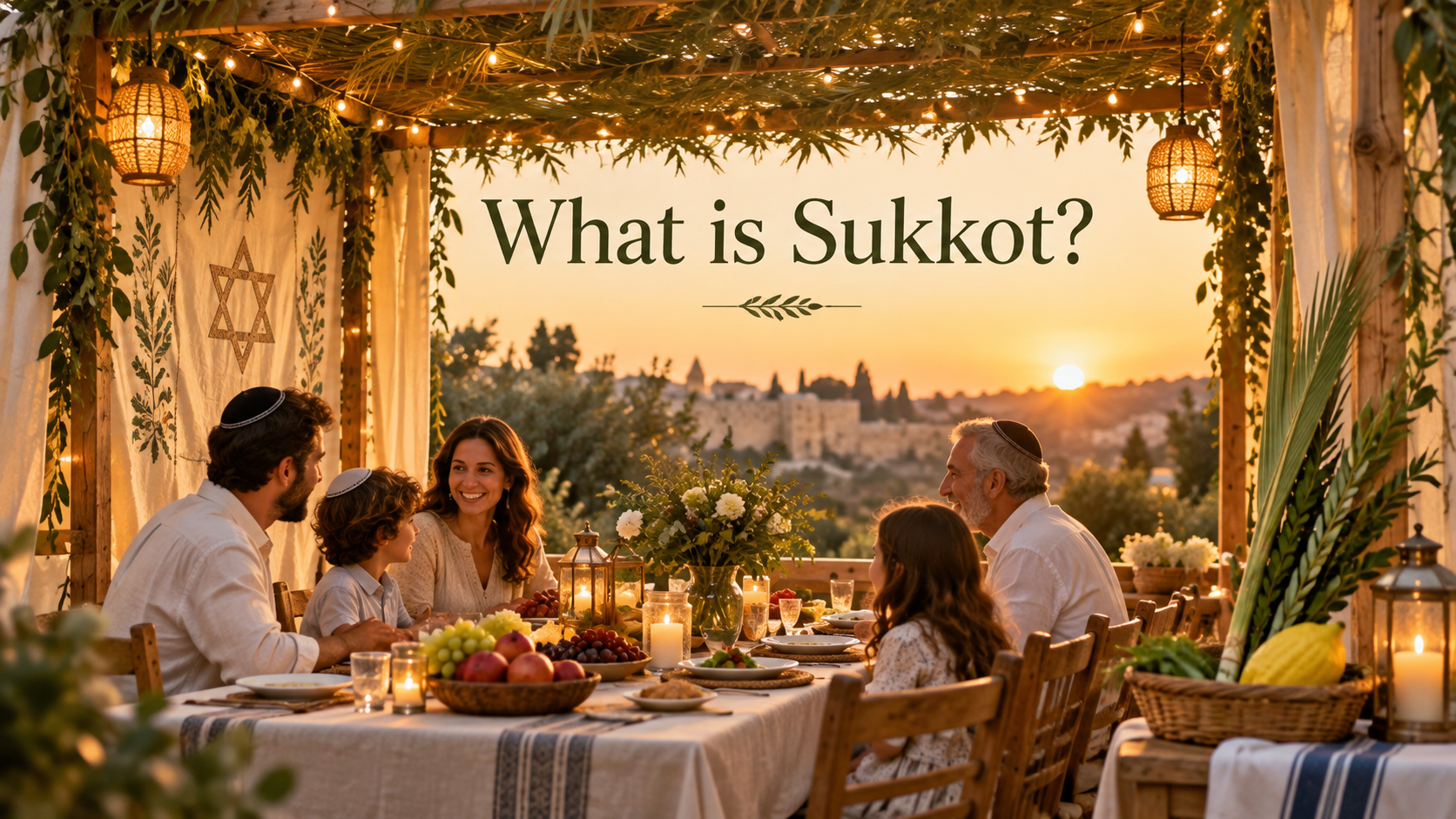
The defining characteristic of the holiday Sukkot is the mitzvah to dwell in a temporary, outdoor structure known as a Sukkah. For seven days, individuals and families move their daily activities, especially eating, entertaining, and sometimes sleeping, into these fragile, temporary huts. By stepping out of the comfort, security, and permanence of modern homes and into a structure topped with branches and exposed to the natural elements, participants are reminded of the fragility of material possessions. It is a grounding experience that emphasizes the importance of relying on divine protection and being thankful for the simple blessings in life.
>> Read more:
- When Is National Grandparents Day 2026? Date & Guide
- Best Labor Day Decorations for a Festive Celebration 2026
When is Sukkot Celebrated in 2026?
Because the Jewish calendar is lunisolar, based on the cycles of the moon rather than the sun, the secular dates of the festival shift slightly every year on the Gregorian calendar. If you are asking when Sukkot is celebrated in 2026, the answer can be found by looking at the Hebrew calendar for the year 5787.
It is also crucial to remember that all Jewish holidays begin at sundown on the evening before the first full day of the holiday.
Dates for Sukkot 2026
To help you mark your calendars and plan your time off, here is the exact breakdown of when Sukkot is in 2026:
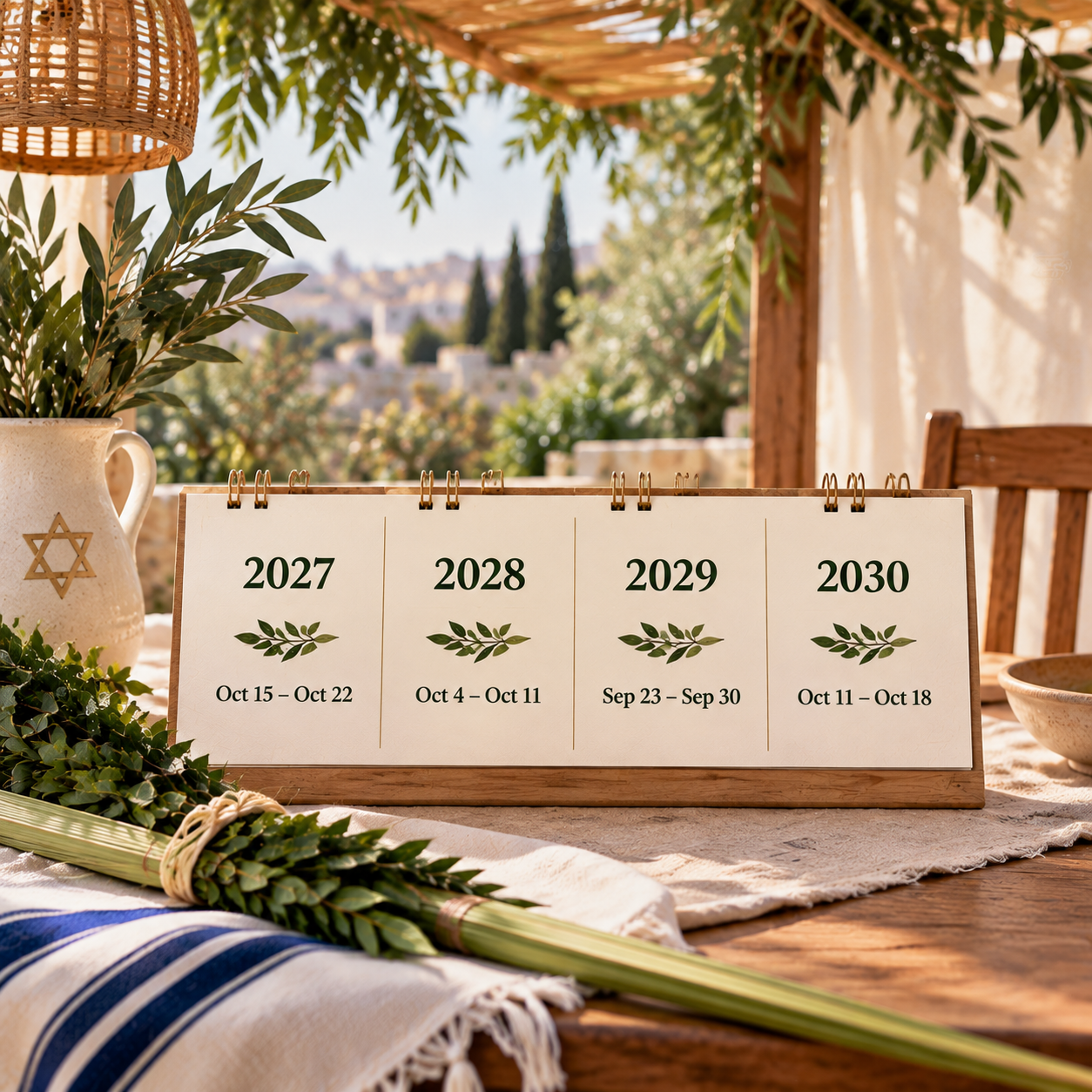
- Starts: Sunset on Friday, September 25, 2026.
- First Festival Days: September 25 – September 27, 2026. During these first two days, full work restrictions apply, making it very similar to the rules of Shabbat. It is a sacred time dedicated purely to synagogue services, prayer, enjoying festive meals, and connecting with family and friends.
- Intermediate Days: September 27 – October 1, 2026. These are considered "half-holidays." During these days, certain types of essential work are permitted, but the joyful, festive atmosphere continues. Many families use Chol HaMoed to take day trips, visit amusement parks, and "Sukkah hop".
- Hoshanah Rabbah: Thursday, October 1, 2026. The seventh day of the festival is marked by special, extended synagogue services and the traditional beating of willow branches, symbolizing the final sealing of judgments for the coming year.
- Ends: Nightfall on Friday, October 2, 2026. This conclusion leads directly into the subsequent and distinct holidays of Shemini Atzeret and Simchat Torah.
>> Read more:
- The Best Gifts for New Moms - Gift Ideas Unique Currently
- 46 Best Gifts For Grandparents And Parents In 2026
Future Sukkot Dates
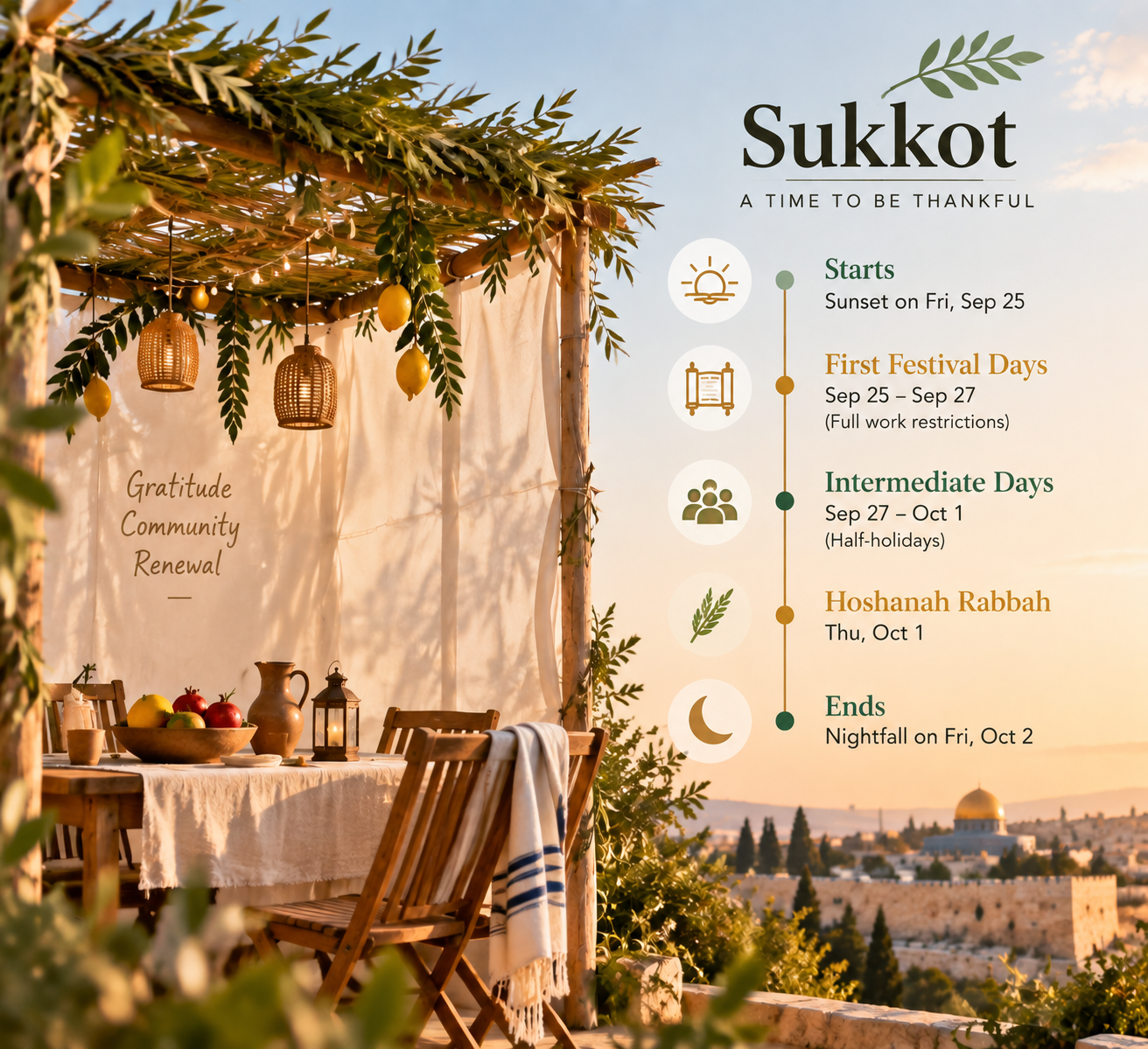
For those who love to plan their family gatherings, vacations, and holiday travel well in advance, here is a quick look at when Sukkot is celebrated in the coming years:
- Sukkot 2027: Sunset on Friday, October 15 to nightfall on Friday, October 22.
- Sukkot 2028: Sunset on Wednesday, October 4 to nightfall on Wednesday, October 11.
- Sukkot 2029: Sunset on Sunday, September 23 to nightfall on Sunday, September 30.
- Sukkot 2030: Sunset on Friday, October 11 to nightfall on Friday, October 18.
>> Learn more:
- First Anniversary Gifts For Him From Traditional To Modern
- Personalized Gifts For Dog Dad Ideas Who Love Dogs
When is the Feast of Tabernacles and Why Do We Build Huts?
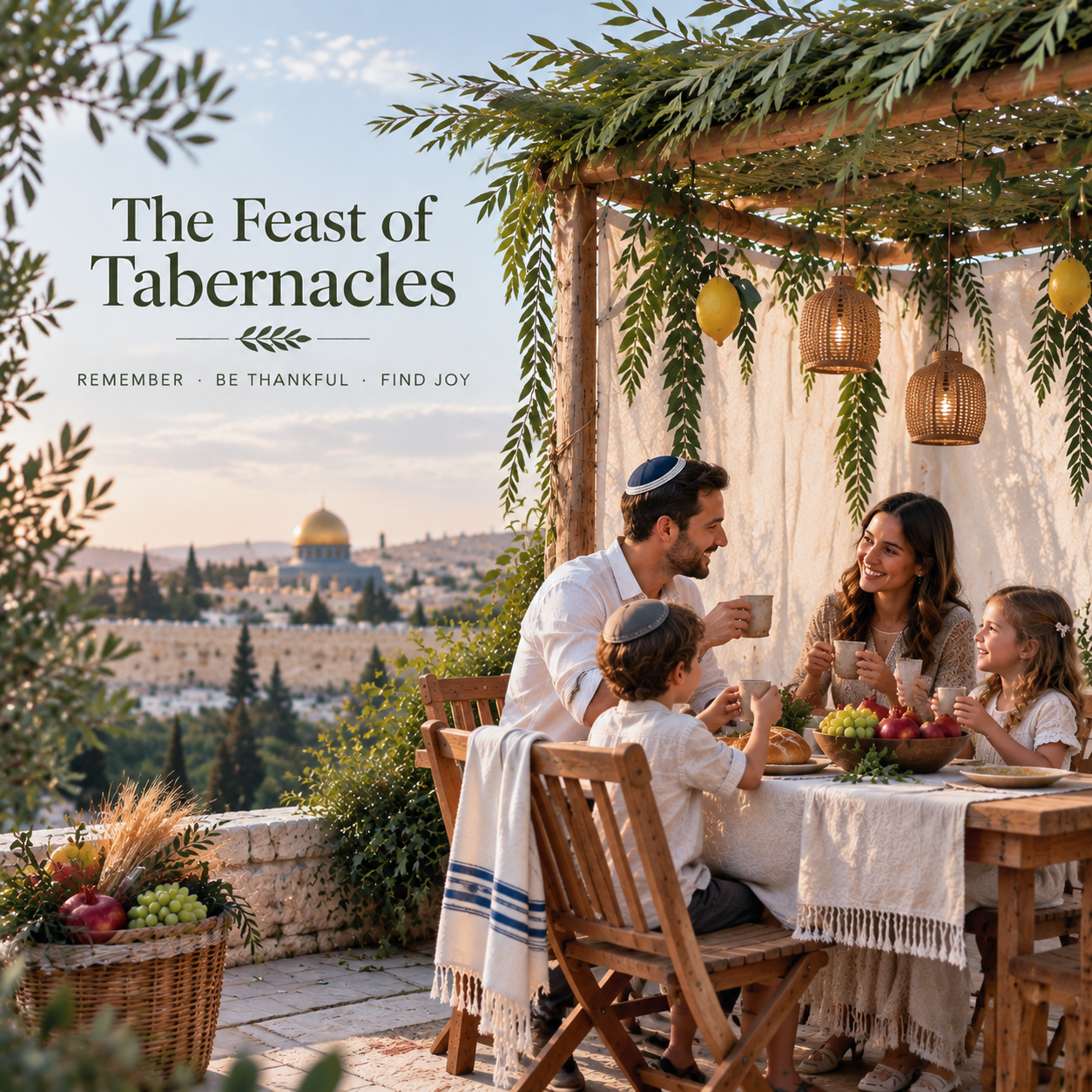
If you are reading English translations of the Bible or historical texts, you might often hear the holiday referred to by a different name. So, when is the Feast of Tabernacles? The answer is simple: it is the same holiday, falling on the same dates. The word "Tabernacle" translates directly to "temporary dwelling" or "tent," echoing the biblical narrative.
Understanding when the Feast of Tabernacles is is deeply intertwined with understanding why the holiday is celebrated with such unique physical rituals. According to tradition, when the Israelites were freed from Egyptian slavery, they wandered in the harsh desert for forty years. During this immense journey, they did not have permanent homes. Instead, they lived in temporary huts and relied entirely on divine sustenance, such as manna from heaven and the protective "Clouds of Glory" that shielded them from the unforgiving desert sun.
Today, observing the Feast of Tabernacles bridges the gap between ancient history and our modern, fast-paced lives. It forces us to pause our daily routines, step outside, and look up at the stars through the leafy roof of the Sukkah. This act of vulnerability teaches deep humility. Furthermore, because the festival perfectly aligns with the autumn harvest season, it is also known as the "Festival of Ingathering." It is a time to express profound gratitude for the food on our tables, the roofs over our heads, and the blessings in our lives.
>> Read more:
- Wedding Anniversary Gifts By Year: Traditional & Modern
- 61+ Best 10th Anniversary Gift Ideas For Her & Him 2026
Essential Traditions for the Holiday Sukkot
Preparing for this magnificent holiday involves several beautiful, sensory-rich traditions that engage the entire family. From outdoor construction to culinary arts, here is how you can immerse yourself in the season.
Building and Decorating Your Sukkah
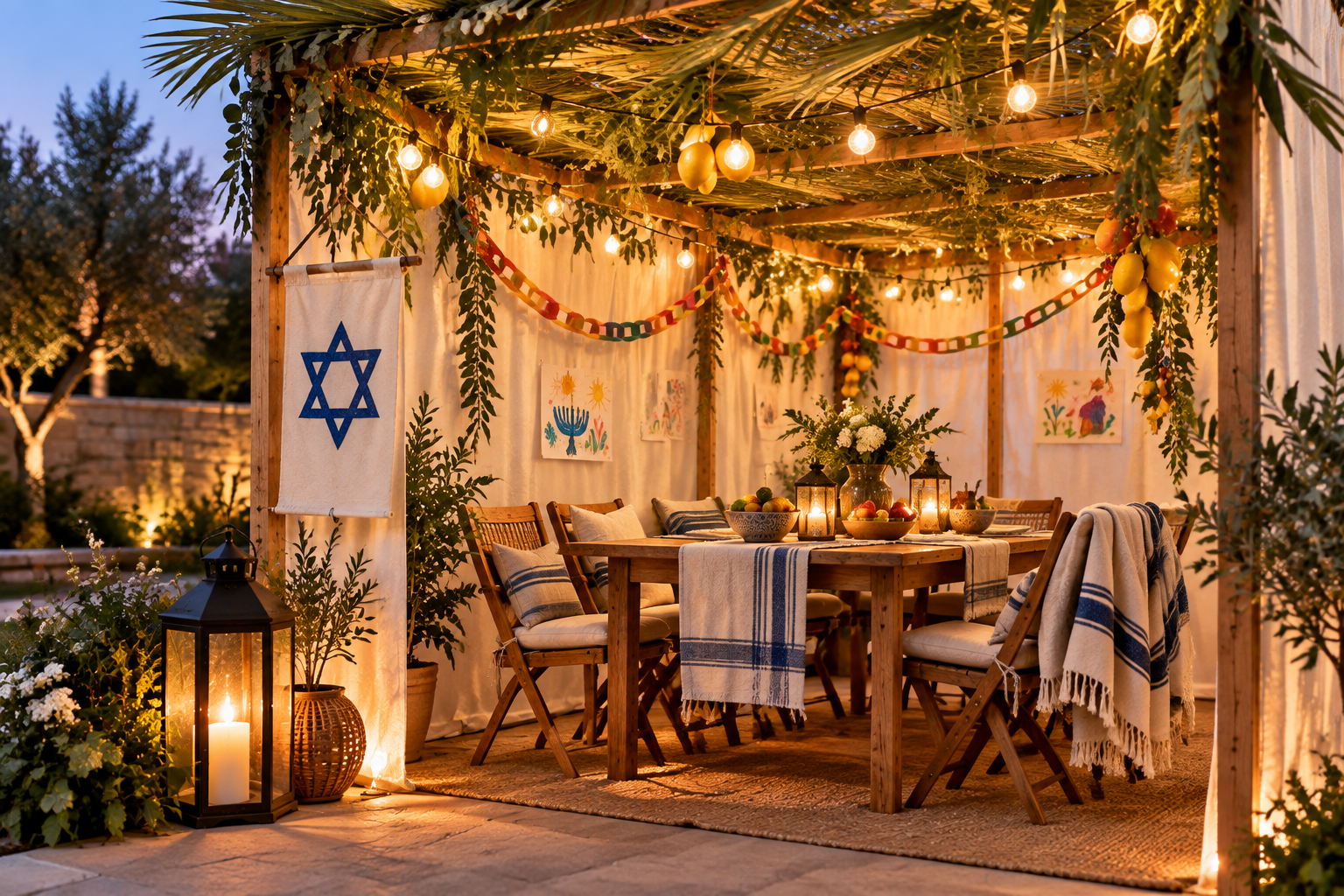
The most visible and iconic symbol of the holiday is the Sukkah itself. Building this structure is often a joyous family project that begins immediately after the fast of Yom Kippur ends. A Sukkah must have at least two and a half walls, which can be constructed from a variety of materials: wood panels, canvas, or even fiberglass. However, the most critical and highly regulated element is the roof, known as the schach. The schach must be made of organic, unprocessed materials that grew from the earth and are now disconnected from it, such as bamboo poles, evergreen branches, or palm leaves. It must be thick enough to provide more shade than sunlight, yet sparse enough to allow those inside to see the stars at night.
Decorating the Sukkah is where personal creativity truly shines. Families traditionally hang fresh fruits, handmade paper chains, and beautiful artwork created by children. To make your temporary dwelling feel warm and inviting, Homestorie offers an incredible selection of premium outdoor living accessories. You can instantly elevate your Sukkah by stringing up our elegant, weather-resistant outdoor lights. For those chilly autumn evenings, drape Homestorie’s cozy, autumn-themed throw blanket over your chairs, and ensure your guests are comfortable with our stylish, durable seating cushions.
>> Learn more:
- Inspiring Farmhouse Decor Ideas for Living Room Makeovers
- The Best Housewarming Gift Home Ideas For New Homeowners
- 35+ Stunning Kitchen Decor Wall Ideas to Elevate Your Space
Waving the Four Kinds
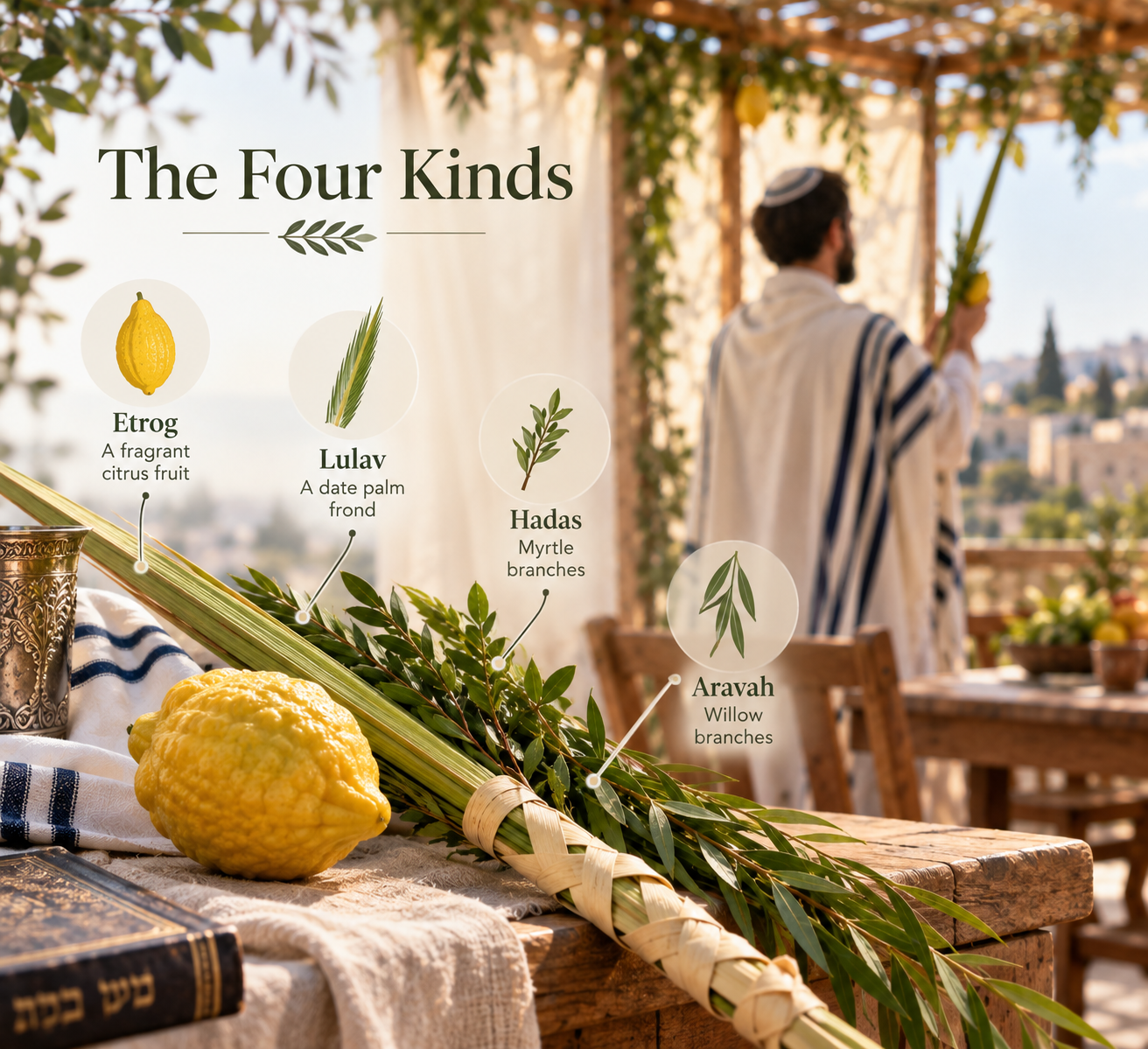
Another central, daily commandment of the holiday is taking the "Four Kinds" and waving them together in all six directions. This physical action symbolizes that the divine presence is everywhere. The Four Kinds consist of:
- Etrog: A fragrant, yellow, lemon-like citrus fruit.
- Lulav: A closed, un-split frond from a date palm tree.
- Hadas: Three myrtle branches with leaves shaped like tiny eyes.
- Aravah: Two willow branches with long, smooth leaves.
Midrashic tradition teaches a beautiful metaphor: each of these four species represents a different type of person, varying in their knowledge of Torah and their performance of good deeds. By binding them all together and holding them as one entity, the Jewish people emphasize the absolute importance of unity, community, and unconditional love for one another, regardless of individual differences.
>> Read more:
- Top Labor Day Gifts and Gift Basket Ideas for 2026
- Mother’s Day Gift For Mom: 60 Thoughtful Ideas
Joyous Feasts and the Ushpizin
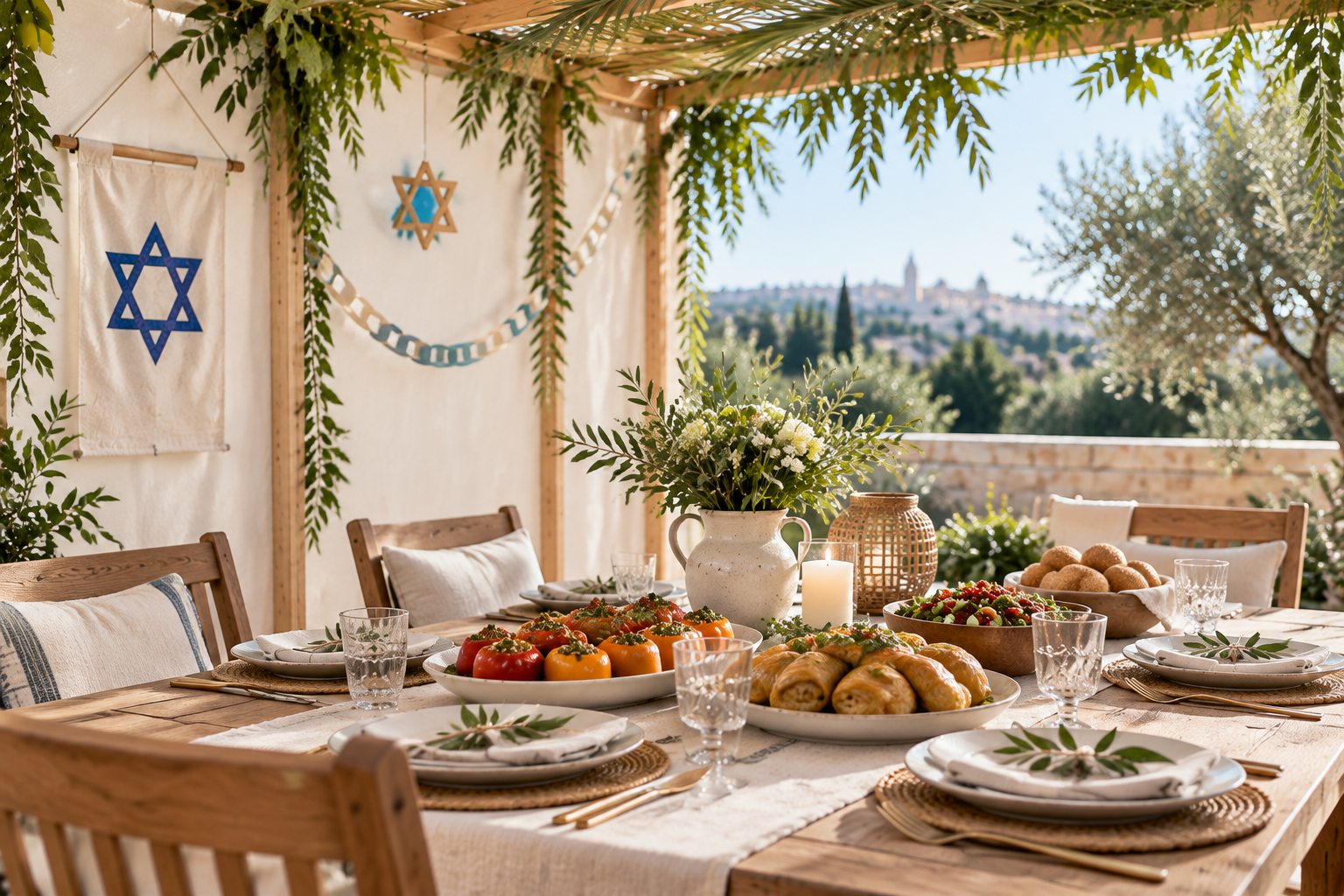
Sukkot is affectionately known in Jewish liturgy as Zman Simchateinu, which translates to the Season of Our Rejoicing. Joy is not just a suggested emotion during this week; it is a spiritual requirement. A massive part of this joy comes from sharing elaborate, festive meals inside the Sukkah. It is highly customary to invite friends, extended family, and even strangers to share your table. This reflects the mystical concept of Ushpizin.
The menus usually feature hearty, warming, autumnal dishes. Stuffed foods are particularly popular and symbolic. Dishes like meat-stuffed cabbage, stuffed bell peppers, or kreplach symbolize a harvest that is "stuffed" and overflowing with agricultural abundance.
Hosting so many meals throughout the week requires the right setup. Homestorie provides the perfect solutions for flawless outdoor entertaining. You can beautifully present your harvest culinary creations on our high-quality, shatter-resistant dinnerware, perfect for outdoor dining without sacrificing a touch of elegance. Additionally, if you are visiting someone else's Sukkah, arriving empty-handed is simply not an option. A thoughtful gift, such as an elegant serving tray or a decorative outdoor lantern from Homestorie, makes for the perfect hostess gift, bringing extra warmth to their holiday.
>> Read more:
- The Best Unique Father’s Day Gift Ideas For Dad 2026
- 40 Unique Gift Ideas for Daughter from Mother She Will Adore
- 50+ Good Gift Ideas For Couples For Every Relationship
- 15th Wedding Anniversary Gift Ideas: Celebrate Love in Style
Frequently Asked Questions About the Sukkot Holiday
What exactly is forbidden during the first days of Sukkot?
During the first two days of the holiday, strict Yom Tov rules apply, prohibiting standard creative labor such as driving or using electronics, though cooking with a pre-existing flame is permitted.
Do I have to sleep in the Sukkah?
Eating meals in the Sukkah is mandatory, and many sleep there, though heavy rain or extreme discomfort exempts individuals from the requirement.
What happens after the seven days of the holiday Sukkot?
The festival is immediately followed by Shemini Atzeret and Simchat Torah, where the annual Torah reading cycle begins anew with joyous dancing.
Can I build a Sukkah on a balcony or inside?
A Sukkah must be built under the open sky, meaning balconies are acceptable if nothing blocks the sky above, but indoor setups are not permitted.
What are the best foods to serve during the Feast of Tabernacles?
Seasonal autumn produce, root vegetables, and traditional stuffed dishes like cabbage rolls are staples representing an abundant harvest.
Conclusion
Knowing when Sukkot is helps you prepare for one of the most enriching periods of the year. From September 25 to October 2, 2026, communities worldwide will embrace gratitude and unity. Whether you are waving the Lulav or hosting starlit dinners in your Sukkah with pieces from Homstorie, this holiday offers a refreshing reset for the soul.
Please contact our team of experts for further advice:
🏢 GEAD DAKLA LLC
📍 8651 Connaught Garden Dr, Houston, TX 77083, United States
>>> RELATED ARTICLES:
- 55+ Best Summer Decorating Ideas For Your Home Trend Mostly
- 99+ Simple Wedding Decoration Ideas That Look Expensive
- The Best Farmhouse Bedroom Ideas to Create a Cozy Retreat
- The Ultimate Guide to Vintage Farmhouse Decor For Home
- 50+ Best Gifts for Girlfriend 2026 She Will Actually Love
- 55+ Best Birthday Gifts for Boyfriend 2026 | Birthday Ideas