


When Is Yom Kippur In 2026? Dates, Meaning & Traditions
Yom Kippur stands as the holiest and most solemn day in the Jewish faith, offering a profound 25-hour period for fasting, deep reflection, and spiritual renewal. Because its exact timing shifts with the lunar calendar, many people often wonder exactly when Yom Kippur is going to fall each year. To help you understand and prepare for this sacred time, Homstorie invites you to read through this comprehensive guide to discover its upcoming dates, rich traditions, and how to beautifully set up your home for the observance.
When is Yom Kippur 2026?
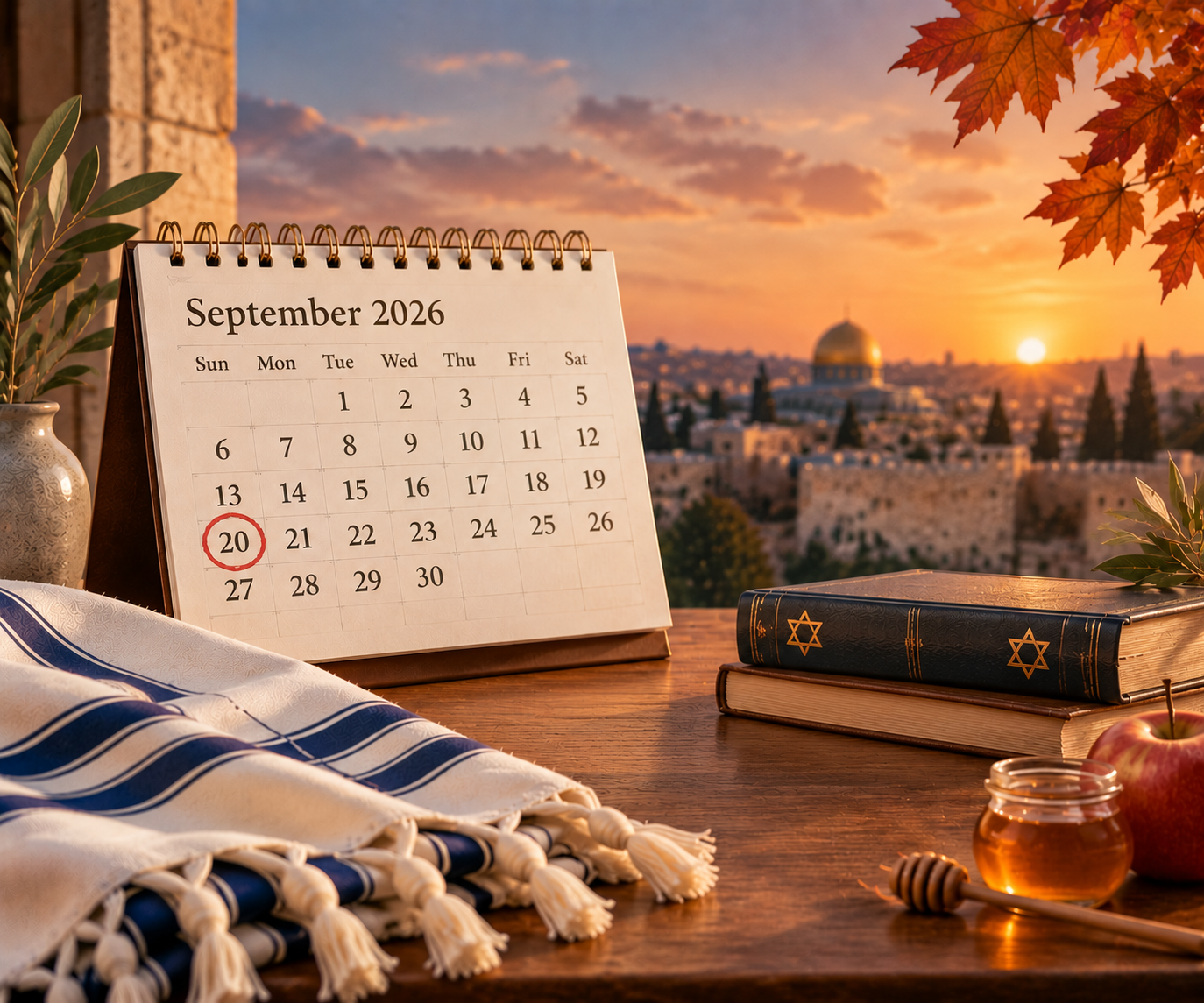
Yom Kippur will begin at sundown on Sunday, September 20, 2026, and conclude at nightfall on Monday, September 21. Because Jewish holidays are based on the Hebrew calendar rather than the secular Gregorian calendar, this sacred day consistently takes place on the 10th of Tishrei, exactly ten days following Rosh Hashanah.
When Is Yom Kippur Every Year?
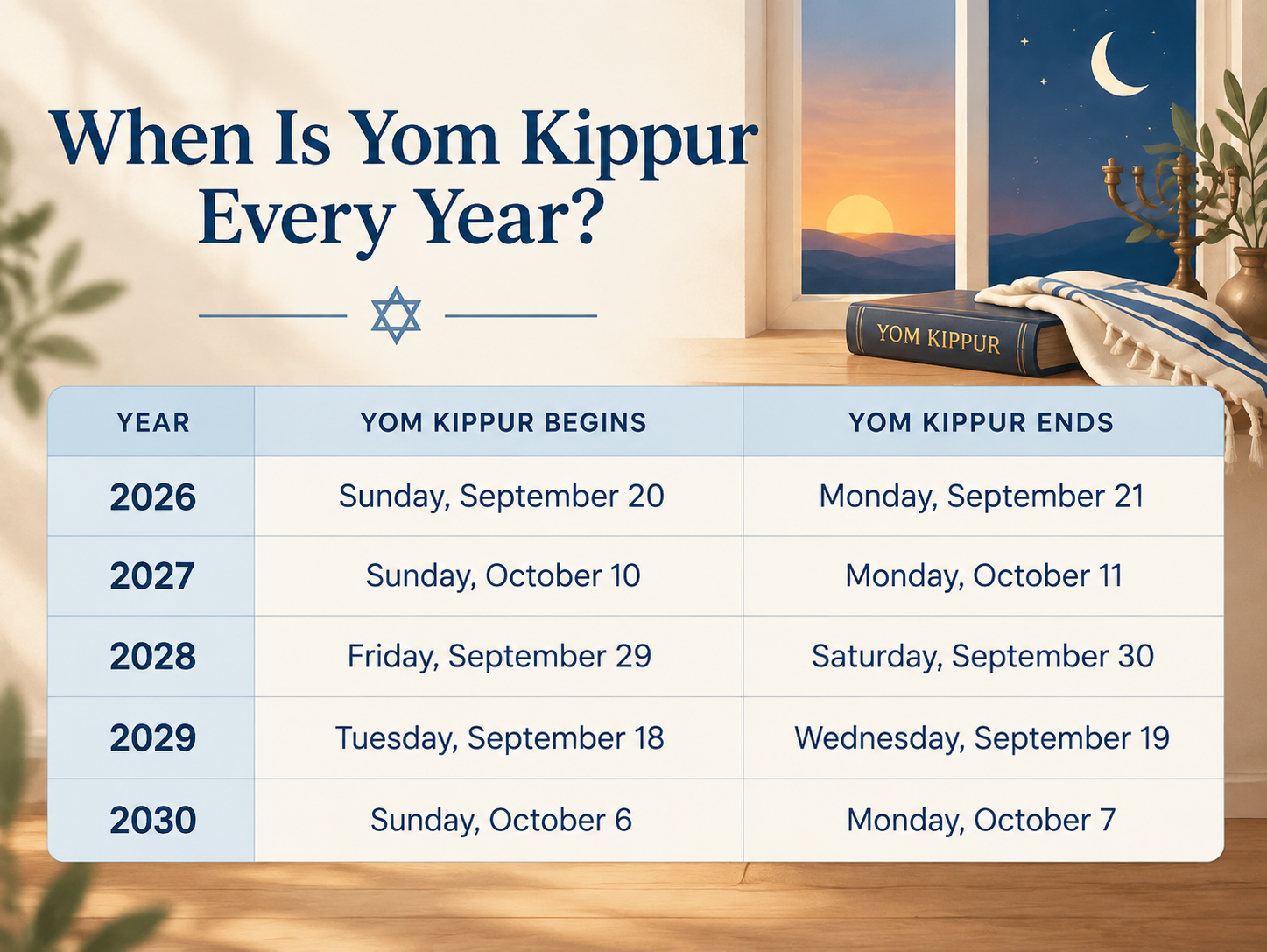
One of the most frequently asked questions on search engines worldwide, as highlighted by trending search queries, is exactly when Yom Kippur is happening in the upcoming years. Because Jewish holidays follow a unique calendar system, the dates on the standard secular calendar change from year to year.
Here is a comprehensive table of upcoming dates to help you plan your time off from work or school ahead of time:
What is the Meaning of Yom Kippur Day?
Known globally as the Day of Atonement, Yom Kippur is the holiest and most solemn day in Judaism, marking the climax of the High Holy Days. According to tradition, while God opens the "Book of Life" on Rosh Hashanah to determine who will be granted another year of life, this heavenly decree is not officially sealed until ten days later on Yom Kippur. This period provides a crucial, urgent window for people to seek divine forgiveness through sincere prayer, repentance, and charity.
Historically, this sacred day commemorates the biblical moment when Moses descended Mount Sinai with the second set of the Ten Commandments. This significant event signified that God had officially forgiven the Israelites for the grave sin of worshipping the Golden Calf, thereby establishing the 10th of Tishrei as a permanent, annual day for communal purification and spiritual cleansing.
At the very heart of this observance is the beautiful concept of Teshuvah, which literally translates to "return." It emphasizes the foundational belief that individuals are never permanently defined by their past mistakes. Instead, Teshuvah requires an active, often challenging process of deep soul-searching, acknowledging wrongdoings out loud, expressing genuine remorse, and firmly committing to better behavior in the year ahead.
>> Read more: When Is National Grandparents Day 2026? Date & Guide
Is the Holiday on the Same Date Every Year?
You might wonder why you have to keep asking when Yom Kippur is every single autumn instead of memorizing a fixed date like Christmas or Halloween. The answer lies in the complex structure of the Hebrew calendar. Unlike the standard Gregorian calendar, which is strictly solar, the Hebrew calendar is lunisolar. This means its months are determined by the cycles of the moon, while periodic adjustments are made to keep the holidays aligned with their appropriate agricultural solar seasons.
On the Hebrew calendar, this holy day always falls exactly on the 10th day of the month of Tishrei. Because a standard lunar year is roughly 11 days shorter than a solar year, the 10th of Tishrei drifts back and forth on the Gregorian calendar. As a result, it can land anywhere from mid-September to mid-October. Regardless of the exact secular date, it always arrives just as the crisp, reflective air of autumn begins to settle in.
How Do People Celebrate Yom Kippur?
While the word "celebrate" typically evokes images of parties, in Judaism, this day is observed with intense spiritual focus. Considered a "Shabbat of Shabbats", we do celebrate Yom Kippur, but through the quiet joy of spiritual purification and the relief of gaining a clean slate.
The Core Traditions of Observance
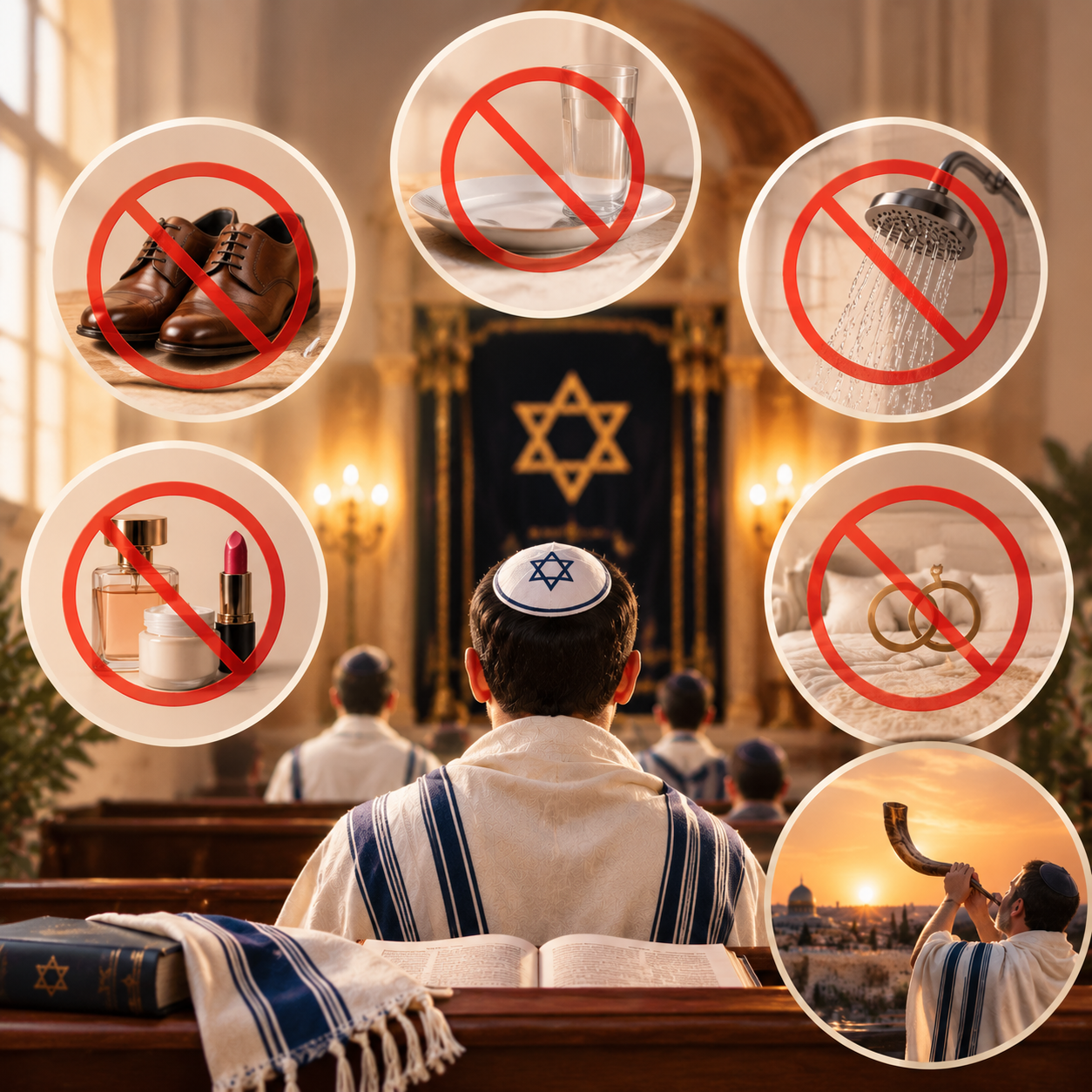
To achieve this spiritual state, observers intentionally step away from everyday physical comforts for 25 hours. The five core practices include:
- Fasting: A strict 25-hour period of abstaining from all food and water.
- Choosing non-leather footwear: Observers wear simple canvas or rubber shoes as a sign of humility.
- Refraining from bathing: Rather than washing for pleasure, only basic hygiene is practiced.
- Skipping cosmetics: Lotions and perfumes are set aside to maintain spiritual focus.
- Pausing marital relations: Abstaining from physical intimacy to keep the focus entirely on prayer.
Most of the day is spent at the synagogue in continuous prayer, which beautifully concludes with the piercing blast of the Shofar horn at nightfall, marking the end of the fast.
Synagogue Services and the Shofar
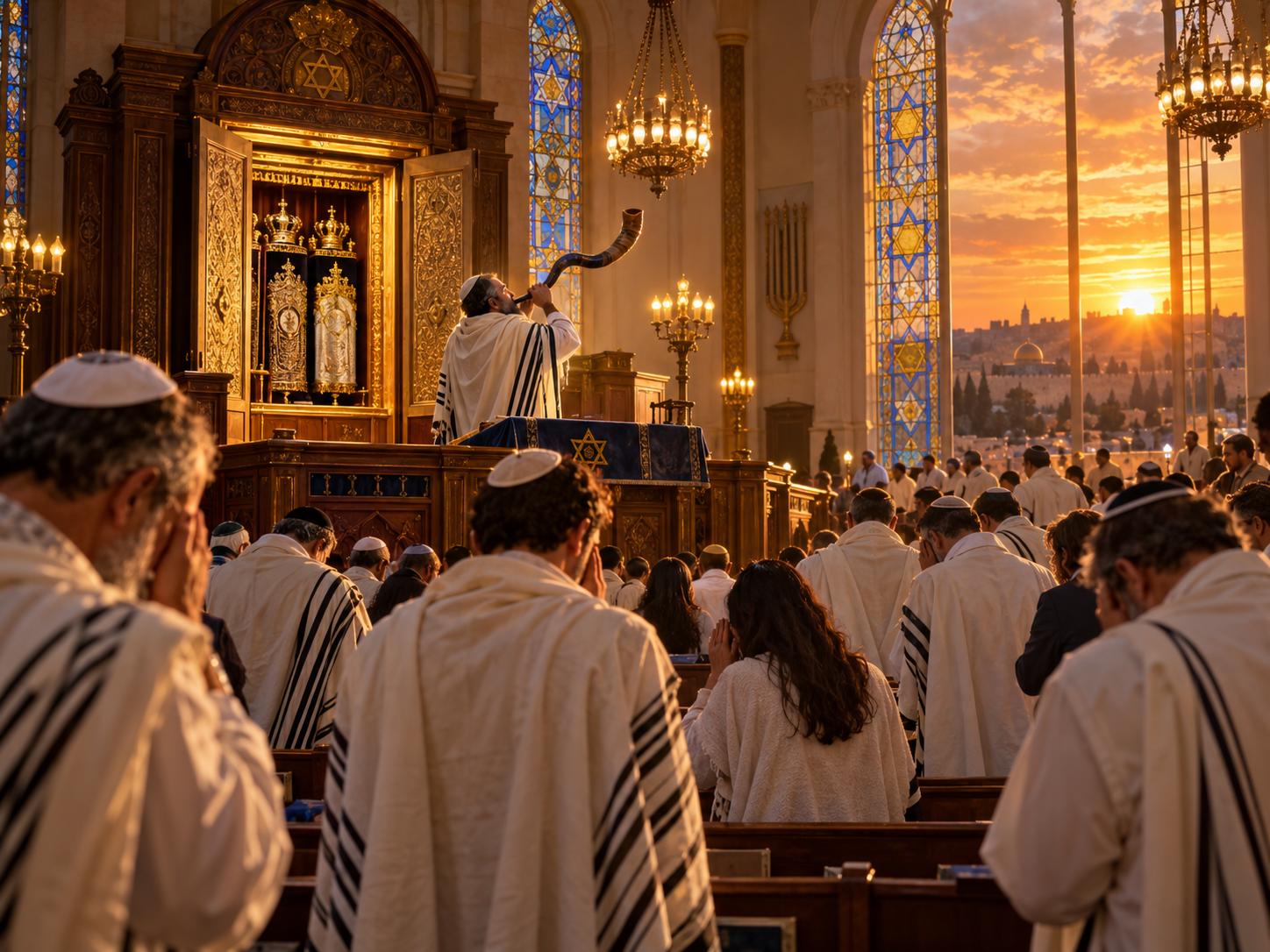
The majority of the day is spent collectively inside the synagogue in continuous prayer. The observance begins with the haunting and beautiful Kol Nidre evening service, while the following day features marathon-like prayers where the congregation recites communal confessions, highlighting the shared responsibility inherent in Jewish culture. The climax arrives with the Ne'ilah service at sunset, a moment of heightened urgency symbolizing the closing of the heavenly gates. When the final, piercing blast of the Shofar echoes through the sanctuary, it marks the triumphant and emotional conclusion of the fast.
Meaningful Ways to Celebrate Yom Kippur at Home with Homstorie
While prayers take place in the synagogue, a serene home environment is essential for preparing the body and eventually breaking the fast. This is where Homstorie helps elevate your sacred family traditions.
Preparing for the Fast
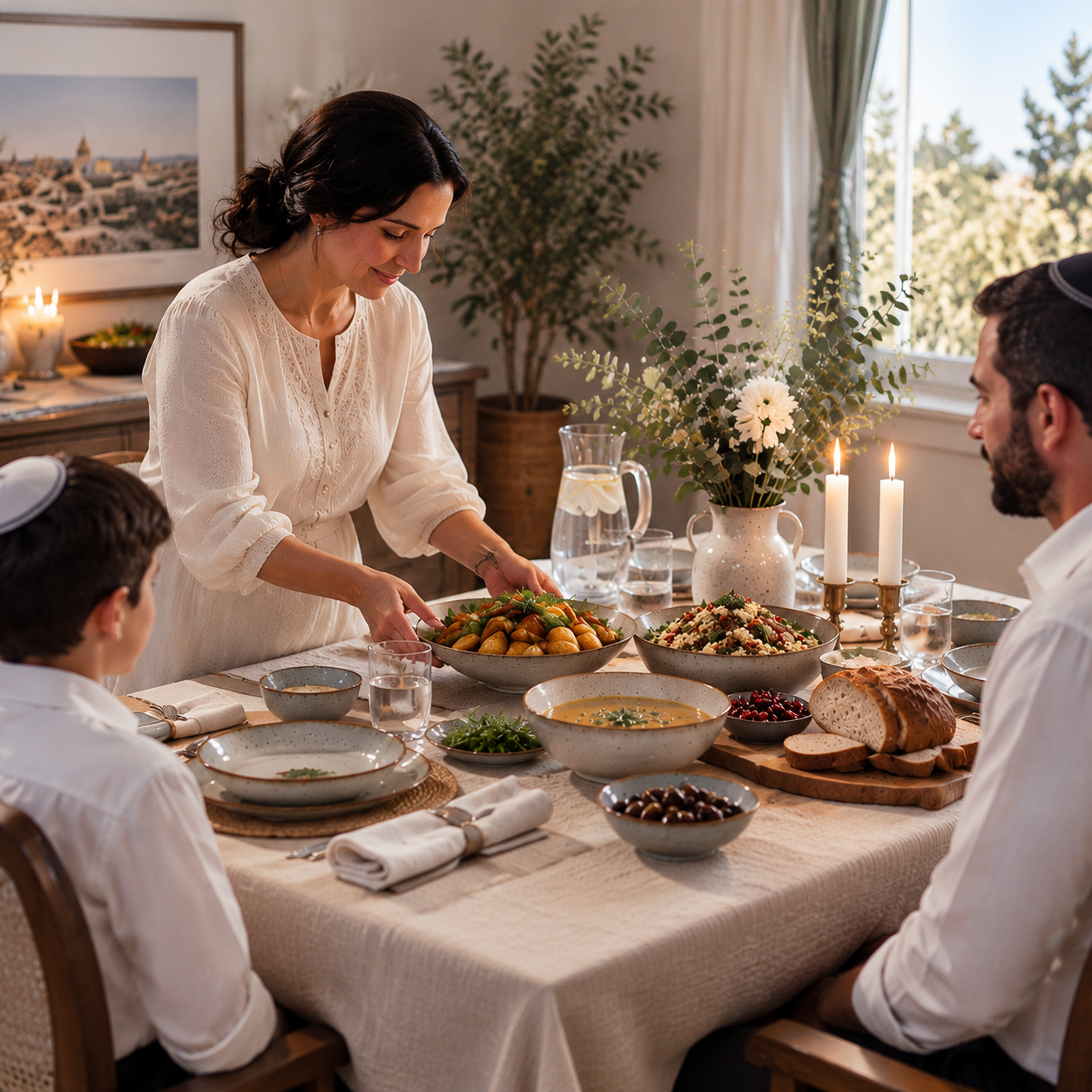
The pre-fast meal features wholesome, unsalted foods to prevent thirst. Setting a calm table with Homstorie’s elegant ceramic dining sets, cozy mugs, and premium linen tablecloths creates an immediate atmosphere of reverence before sunset. To foster a peaceful mindset at home, you can also soften your living areas with comfortable pillows, minimalist wall canvas prints, and a delicate flower vase holding fresh seasonal greens.
>> Discover more:
- "Lucky Bastard" Personalized Mug – Funny Gift
- Custom Pet Portrait Watercolor Woven Pillow - Personalized Pillow Cover
- Mom Or Grandma'S Custom Star Of Fame Canvas Print: Personalized Best Ever Award Wall Art With Name - Unique Mother'S Day Or Birthday Gift
- First Mom Now Grandma Birth Flowers - Personalized Ceramic Flower Vase
Honoring Loved Ones
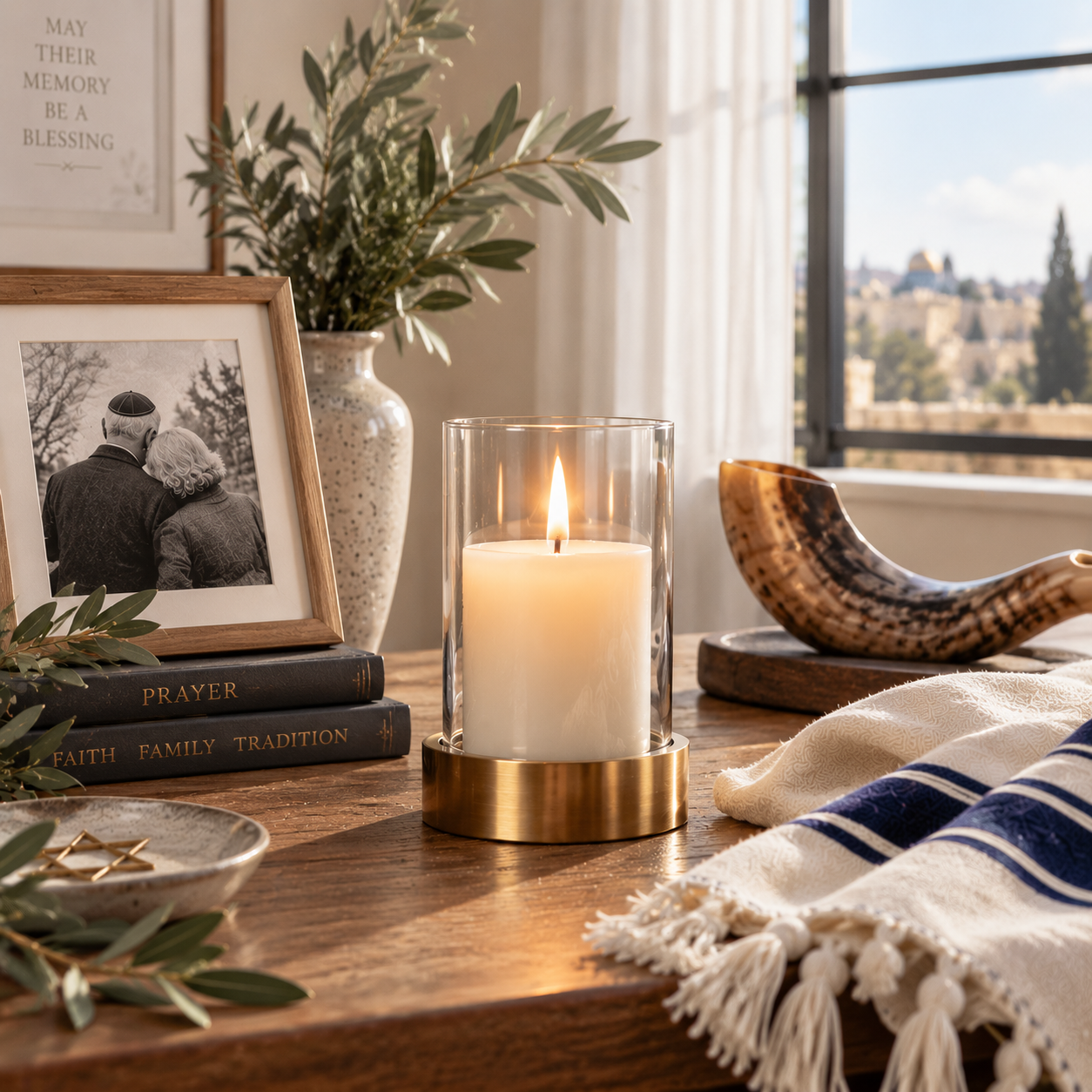
It is customary to light a 25-hour memorial candle. Utilizing Homstorie’s minimalist glass or solid brass candle holders ensures this sacred light flickers safely and beautifully on your dining table.
>> Discover more:
- Granddaughter Love Message - Personalized Custom Candle - Gift For Granddaughter
- To My Daughter-In-Law Life Has Given Me The Gift Of You Thank You For Loving My Son - Personalized LED Candle - Gift For Daughter-In-Law
- To My Granddaughter - Personalized Custom LED Candle - Gift For Granddaughters
Breaking the Fast in Style
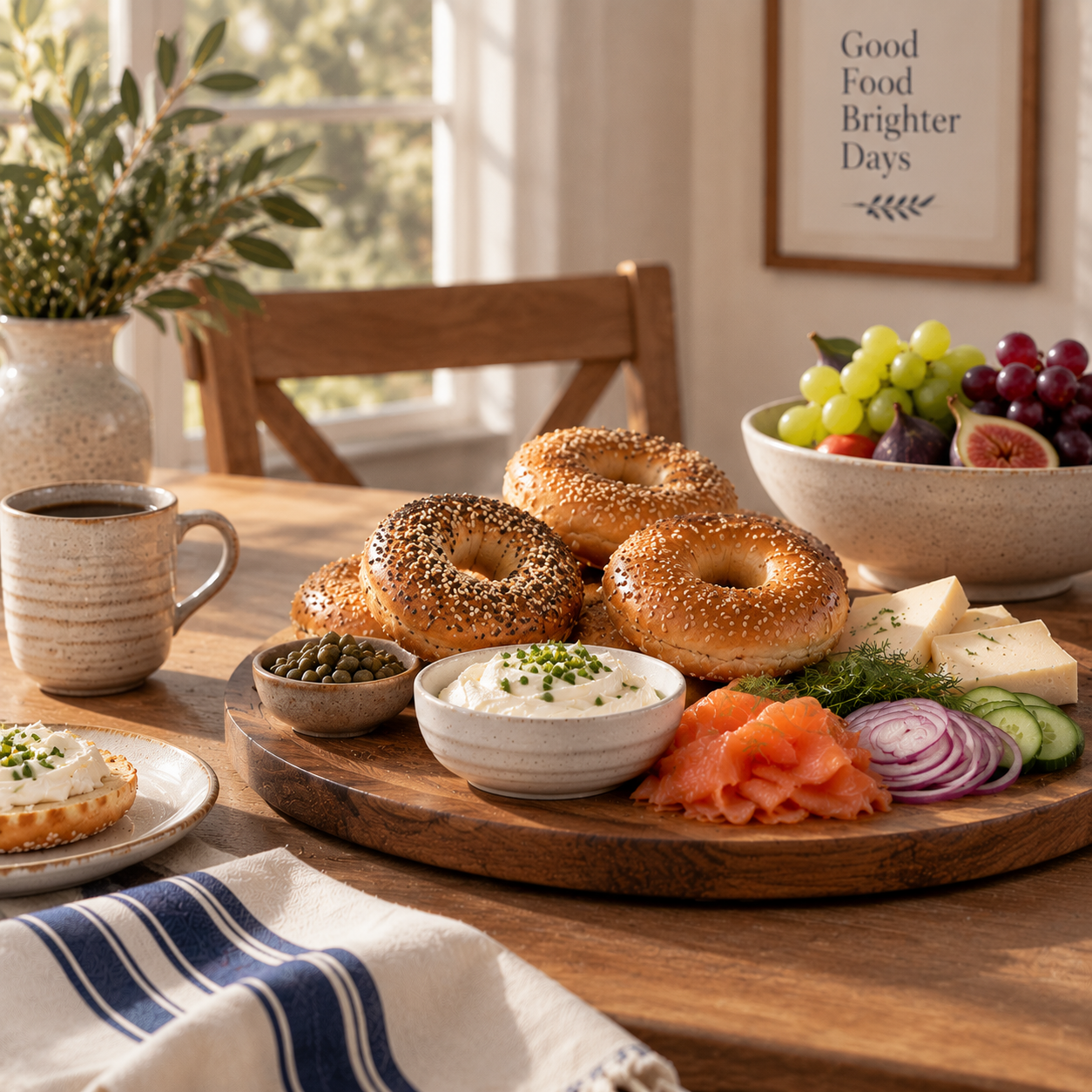
Returning home to break the fast requires a welcoming touch. Make your post-fast spread of bagels, cheeses, and fruits truly special by presenting them on Homstorie’s natural wooden serving platters, elegant coasters, and artisan ceramic fruit bowls. Integrating these pieces effortlessly turns the break-fast into a comforting, elegant homecoming.
>> Discover more:
- Best Flippin’ Dad Ever - Personalized Grilling Platter - Father'S Day Gifts For Dad, Daddy, Papa, Grandpa
- Best Flippin’ Dad Ever - Family Personalized Custom Platter - Father'S Day, Gift For Dad, Grandpa
- Sip, Celebrate, Cherish – Custom Couple Names Coaster For Wedding & Engagement
- Love In Every Detail – Personalized Wedding Coaster With Couple Names & Wedding Icons
Related Questions About Yom Kippur
Why does the date of Yom Kippur fluctuate every year?
The Jewish holidays rigidly follow the lunar-based Hebrew calendar, which inherently differs in length from the solar-based Gregorian calendar used globally. To keep the holidays in their correct agricultural seasons, the Hebrew calendar periodically adds a leap month. This complex lunar-solar synchronization causes the secular dates of the holidays to fluctuate backward and forward between the months of September and October.
Do young children have to fast?
In Jewish tradition, children are not religiously obligated to fast until they reach the age of maturity. However, older children approaching this age might practice by fasting for a small portion of the day or simply skipping their afternoon snacks to begin understanding the importance of the holiday.
Can you drink water during the fast?
Yom Kippur requires a complete "dry fast," meaning absolutely no food or liquid, including water, tea, or coffee, is permitted for the entire 25 hours.
What happens if someone is sick, elderly, or pregnant?
In Judaism, the overarching principle of Pikuach Nefesh overrides almost all other religious laws, including fasting. If fasting would endanger a person’s health in any way, such as an elderly individual, a pregnant woman experiencing complications, a diabetic, or someone requiring daily medication that must be taken with food, they are explicitly commanded by Jewish law not to fast. Preserving life and health is always the ultimate priority.
Why do people wear white clothing on Yom Kippur?
Many observers choose to wear white clothing, such as a white dress, white shirt, or a traditional white robe called a kittel, to the synagogue services. This ancient tradition heavily symbolizes purity and the desperate desire to be cleansed of all sin. It is also deeply reminiscent of the pure, physical need-free nature of angels, perfectly aligning with the day’s intense focus on the spiritual realm rather than the physical one.
Conclusion
Through this article, understanding when Yom Kippur is marked is just the beginning of appreciating this deeply revered Day of Atonement. It serves as a powerful 25-hour pause for introspection, seeking forgiveness, and spiritual renewal. Whether you are observing the core traditions, looking for thoughtful gifts, or preparing an elegant break-fast table with Homstorie pieces, the true essence of the holiday remains rooted in personal growth.
Please contact our team of experts for further advice:
🏢 GEAD DAKLA LLC
📍 8651 Connaught Garden Dr, Houston, TX 77083, United States
>>> RELATED ARTICLES:
- The Best Housewarming Gift Home Ideas For New Homeowners
- 35+ Stunning Kitchen Decor Wall Ideas to Elevate Your Space
- The Ultimate Guide to Vintage Farmhouse Decor For Home
- 46 Best Gifts For Grandparents And Parents In 2026
- Best Labor Day Decorations for a Festive Celebration 2026
- Wedding Anniversary Gifts By Year: Traditional & Modern